
Wellness Library
Thoughtful perspectives on nutrition, supplements and everyday wellbeing, created to support a more informed wellness routine.

Editor’s selection
Featured this week

Acai berries - what puts the "super" in this superfood?
Acai (pronounced ah-sigh-ee) berries have become incredibly popular in the form of dietary supplements over the past few years, both in capsule and powder form. This is in no small part due to the significant media attention they have received, since being more widely recognised in the Western world as a "superfruit". In other words, a fruit with an exceptio…
Read the featureThe complete series
Explore the library
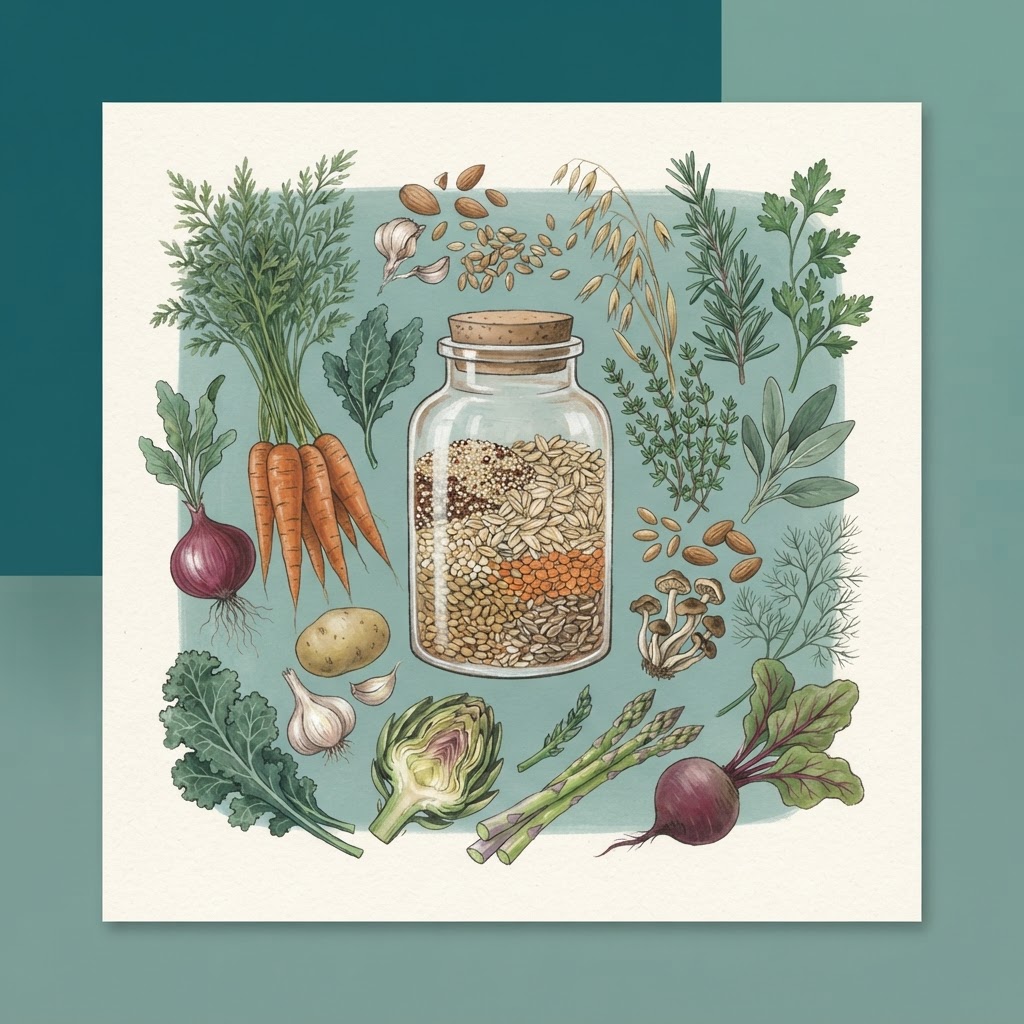
What's in my food?
In this modern age of processed foods and the widespread use of artificial chemicals to enhance everything from taste and appearance to shelf life, you can no longer take it for granted that you know what is in your food just by looking at it. Food these days is not simple - do you really know what you are eating? Food additives A good example of "hidden" in…
Read article
Antibiotics and gut flora
Good health begins with balance in the body, particularly in the digestive system. Inside our bodies there are twenty times more bacteria than living cells, and maintaining the correct balance of beneficial bacteria versus harmful bacteria is a crucial part of supporting long-term health and vitality. Having the right kinds of bacteria (so-called "friendly b…
Read article
Antioxidants and free radicals
The air we breathe Everyone knows that oxygen is essential for all life - the body uses it as it breaks down food and creates energy for cells. But did you know that, as well as being an absolute necessity for good health, its use in the body can also result in the production of certain unwanted by-products, called oxidants. These particles are free radicals…
Read article
Bad breath and poor digestion
Everyone's experienced bad breath at some point, particularly first thing in the morning. However, when it becomes a lingering problem, it can cause embarrassment and have a negative impact on a person's quality of life. For instance, in terms of work interaction and socialising. Identifying the cause of bad breath is often the first step towards treating th…
Read article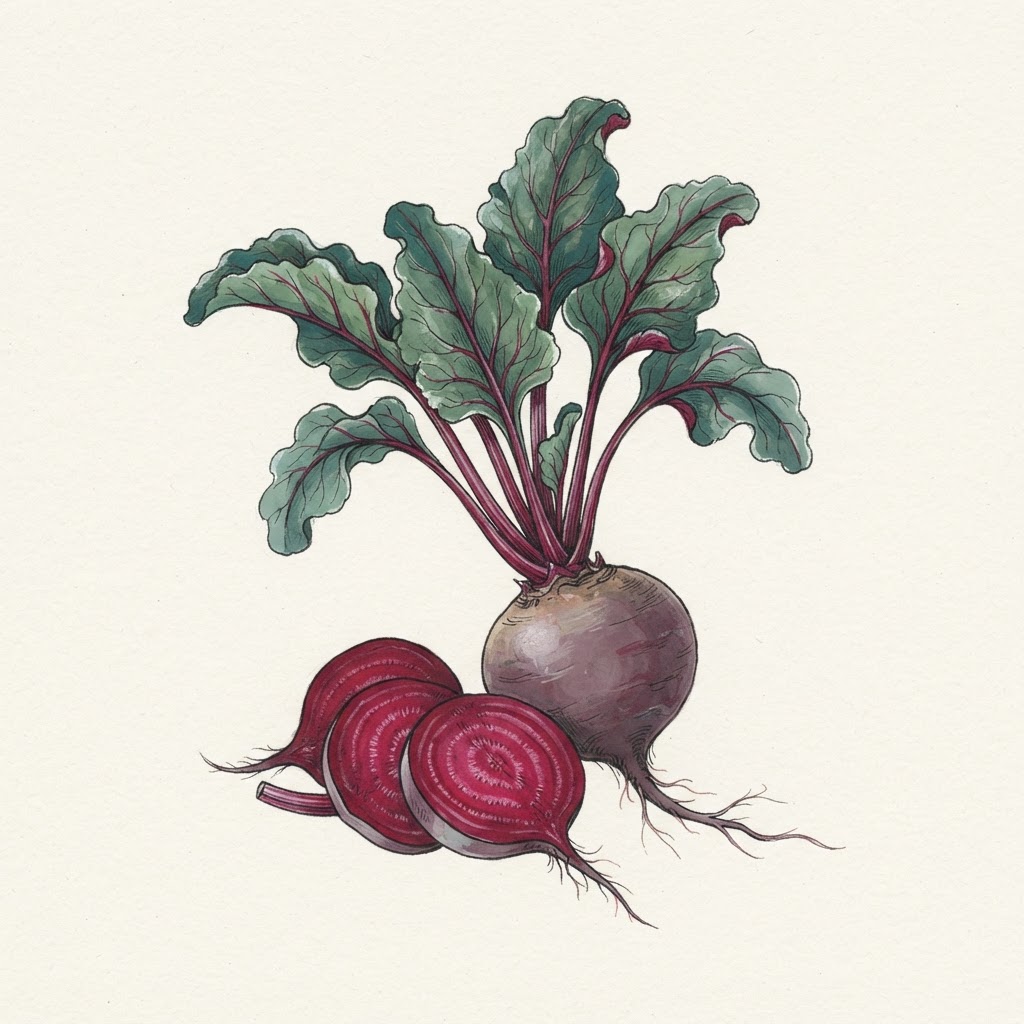
Beetroot - this superfood "beets" other veg hands down!
So you think you know beetroot - the humble root vegetable, so often found in pantries in its pickled form since World War II. But truly, it is so much more. In fact, it is a nutritional powerhouse now widely regarded as a superfood! Humble beginnings The beetroot is no stranger to the average household. Also known as "table beet", it is one of the many cult…
Read article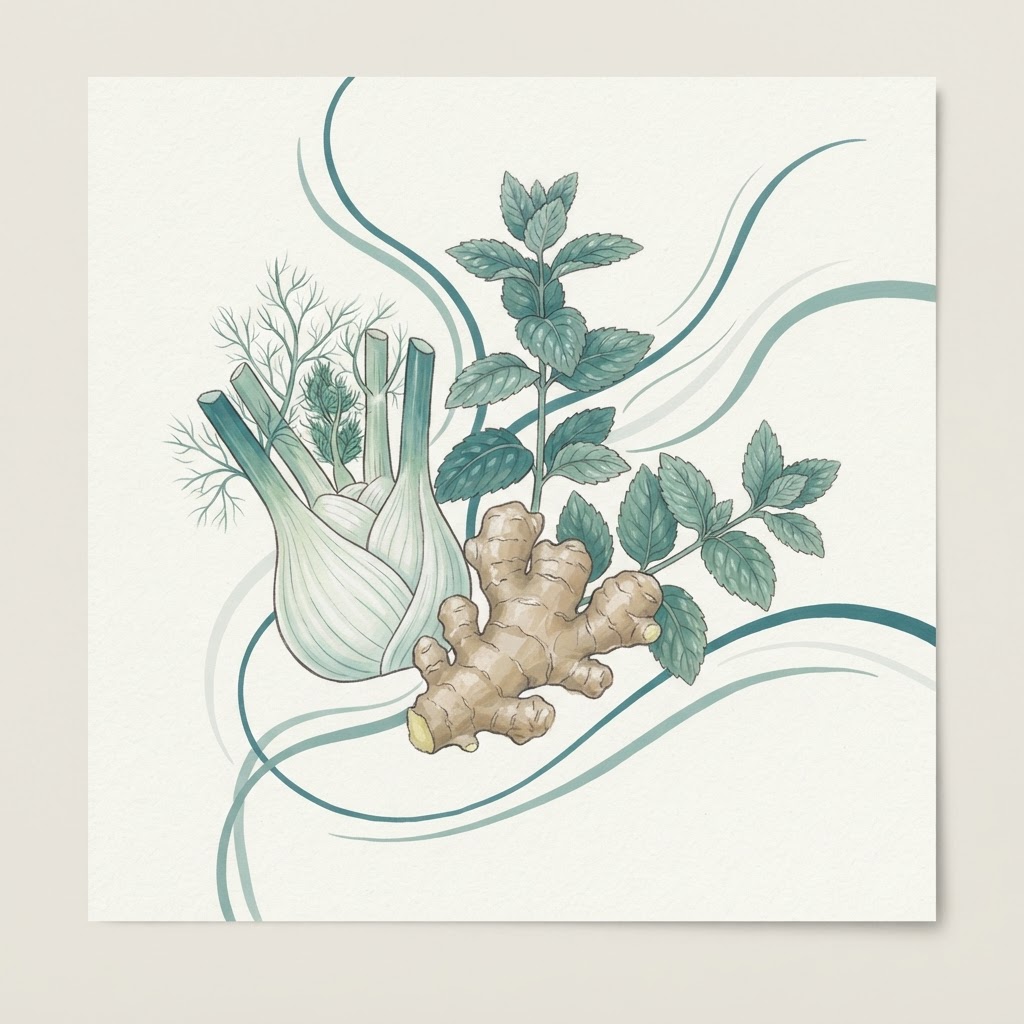
Beat the bloat!
Most people, especially women, recognise that uncomfortable feeling when their stomach suddenly swells up like a balloon, often accompanied by stomach pain and flatulence. This may be triggered by, for example, eating the wrong kinds of food, stress or a number of other factors. Stomach bloating is actually a very common condition, which affects around 1 in…
Read article
Blood sugar blues?
A person’s blood sugar level is basically the amount of glucose present in their blood at any given time. You might be wondering why anyone would need to know this? Well, keeping your blood sugar balanced is one of the most important factors in maintaining good health - in particular, even energy levels and a healthy weight. How glucose works in the body G…
Read article
Yeast overgrowth - the basics
When people talk about yeast overgrowth in the body, they are referring to harmful yeast organisms. Candidiasis is by far the most common type of yeast infection, and there are more than 20 species of Candida, the most common being Candida albicans (a type of fungus). We all have small amounts of Candida growing in our digestive tracts and living on our skin…
Read article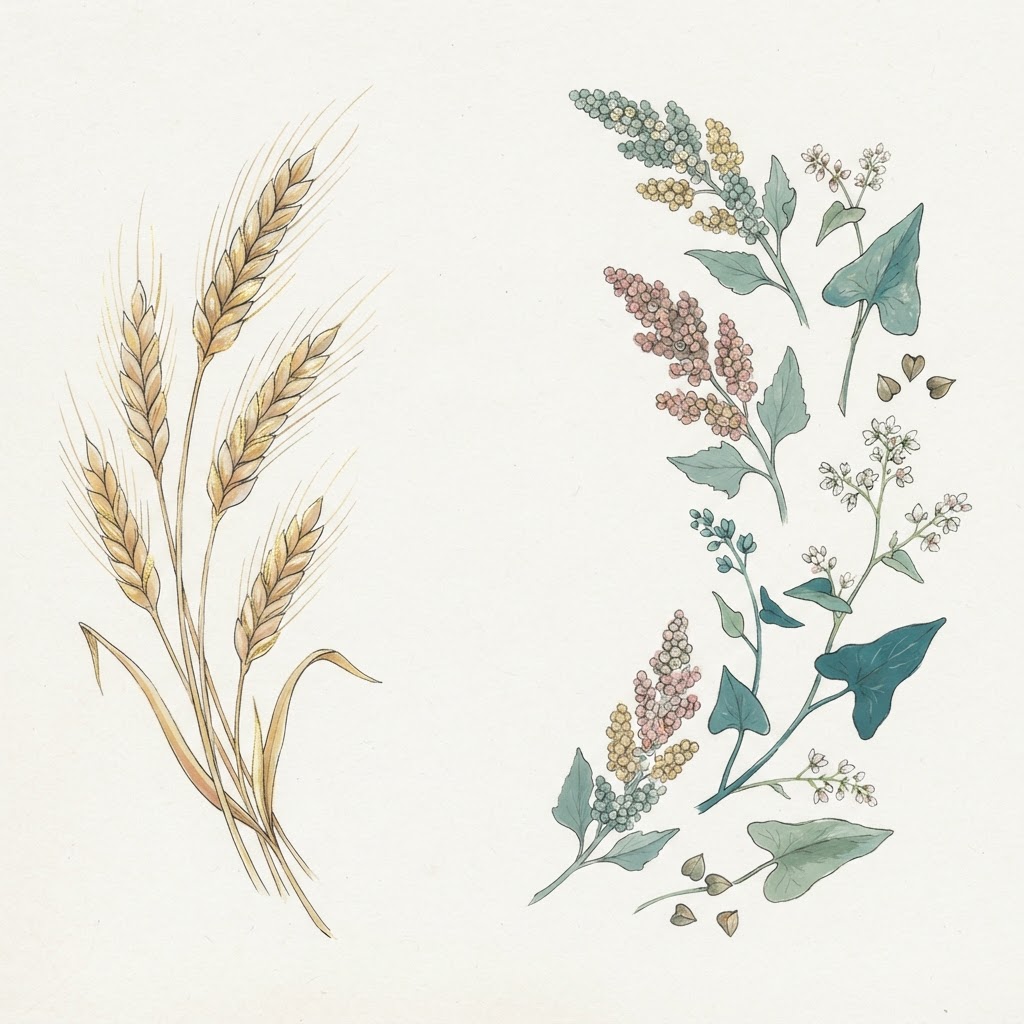
Gluten intolerance or coeliac disease?
These days, it is all too common to hear people saying that they are "intolerant", "sensitive" or allergic to certain foods. At the top of the list are dairy, lactose, wheat, yeast, sugar, additives and gluten, but there are many others. The question is, why is this now so prevalent? Is it that there is actually a higher incidence of these conditions, or rat…
Read article
Colon cleansing
What does the colon do? In order to understand what the colon does, how it works and how its state can affect our health, it's helpful first to learn a little about the greater digestive system of which it forms a part. The digestive system The digestive tract is made up of a group of organs, including the mouth, throat, oesophagus, stomach, small intestine,…
Read article
Why do I have constipation?
Almost everybody experiences constipation at some point in their lives - bowel movements that become less frequent and more difficult to pass. It is a very common disorder of the digestive tract which can affect anybody, but it is most common amongst women (particularly during pregnancy), the elderly and young children. Although common, it is important not t…
Read article
Crohn's disease and inflammatory bowel disease
What is Crohn's disease? Named after Dr. Burrill Bernard Crohn, the physician who first described the condition in 1932, Crohn's disease is an inflammatory bowel disorder - a broad title used to describe any condition which involves the intestines becoming swollen, inflamed and ulcerated. Ulcerative colitis is another example of an Inflammatory Bowel Disease…
Read article
Thinking of going dairy-free?
The trouble with dairy It seems to be more and more common to hear that someone has a dairy allergy, lactose intolerance or has simply chosen to cut dairy out of their diet. Why is this? While milk has traditionally been a mainstay of the British diet (with the UK consuming as much as 40% of the EU's dairy products), there has been a growing awareness of som…
Read article
Detox your body
What is body detoxification? Nowadays, you will often hear people referring to the fact that they are "on a detox". This might be because they have enjoyed a period of over-indulgence, such as Christmas and New Year, or may simply be a means of "spring cleaning" their body. Either way, many people feel that they get a much-needed boost from a period of detox…
Read article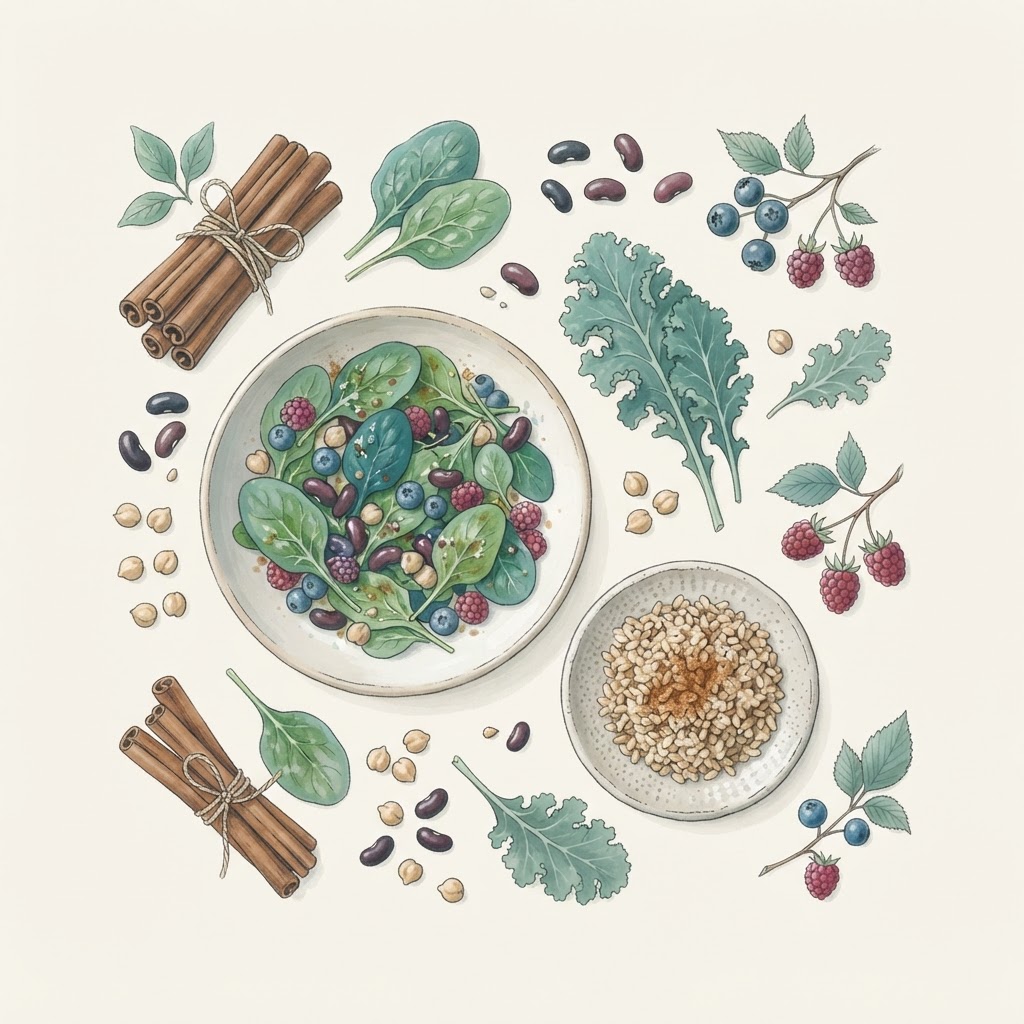
Diabetes and your health
What is diabetes? The science bit... Diabetes is a condition in which the body is unable to produce or properly use insulin - a hormone required for the conversion of sugar, starches and other types of food into energy. For good health, the body has to maintain its blood sugar levels (or blood glucose levels) within a very narrow range. This is done by using…
Read article
Travellers' diarrhoea - are you fit for travel?
The last thing you feel like when on holiday or travelling abroad is having to worry about a bout of diarrhoea! Unfortunately, however, so-called "travellers' diarrhoea" is quite common, particularly when in countries where food and water hygiene are less than ideal. This is because it can be caused by a wide range of organisms, including bacteria (such as E…
Read article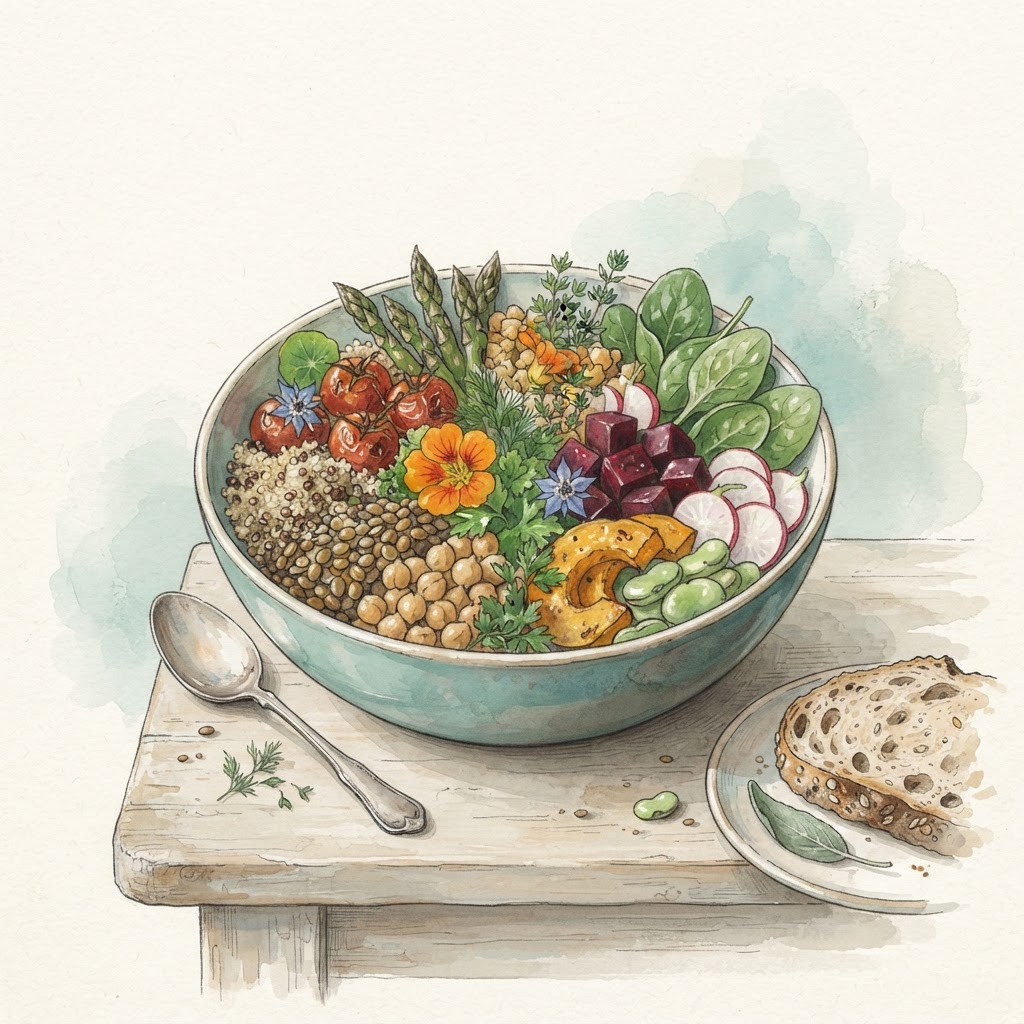
Eating a balanced diet
A 'balanced diet' is a popular topic, in the media, on the government's agenda and amongst the health conscious. Why? Because, it is an essential part of maintaining immunity, a healthy weight and all other aspects of health and well-being through daily access to the broad spectrum of vitamins, minerals and other essential nutrients required to properly fuel…
Read article
Digestive enzymes - the stuff of life...
Enzymes are clever little molecules of protein that are made from amino acid chains. They act as catalysts (or triggers) to bring about specific biochemical reactions in the body, which produces over 3,000 kinds. Every process in the body is driven by enzymes of one kind or another - whether acting alone, in combination or in complex chain reactions. They ar…
Read article
Dysbiosis - too many bad bugs
What happens when your bad bacteria outnumber your good bacteria? Dysbiosis is the technical name for a microbial imbalance on or inside the body; in other words, an imbalance of good versus bad bacteria. This condition most commonly affects the digestive tract (and, more particularly, the stomach and intestines), but can also occur on any exposed surface or…
Read article
Keeping active for a healthy mind and body
Why is exercise important? There is a common misconception that, if you are slim, you don't need to keep active to stay healthy. But regular exercise is important for everyone, not just for those people who are carrying extra weight. Our bodies are designed to be in motion; they are not intended for a sedentary lifestyle (which is more and more common in the…
Read article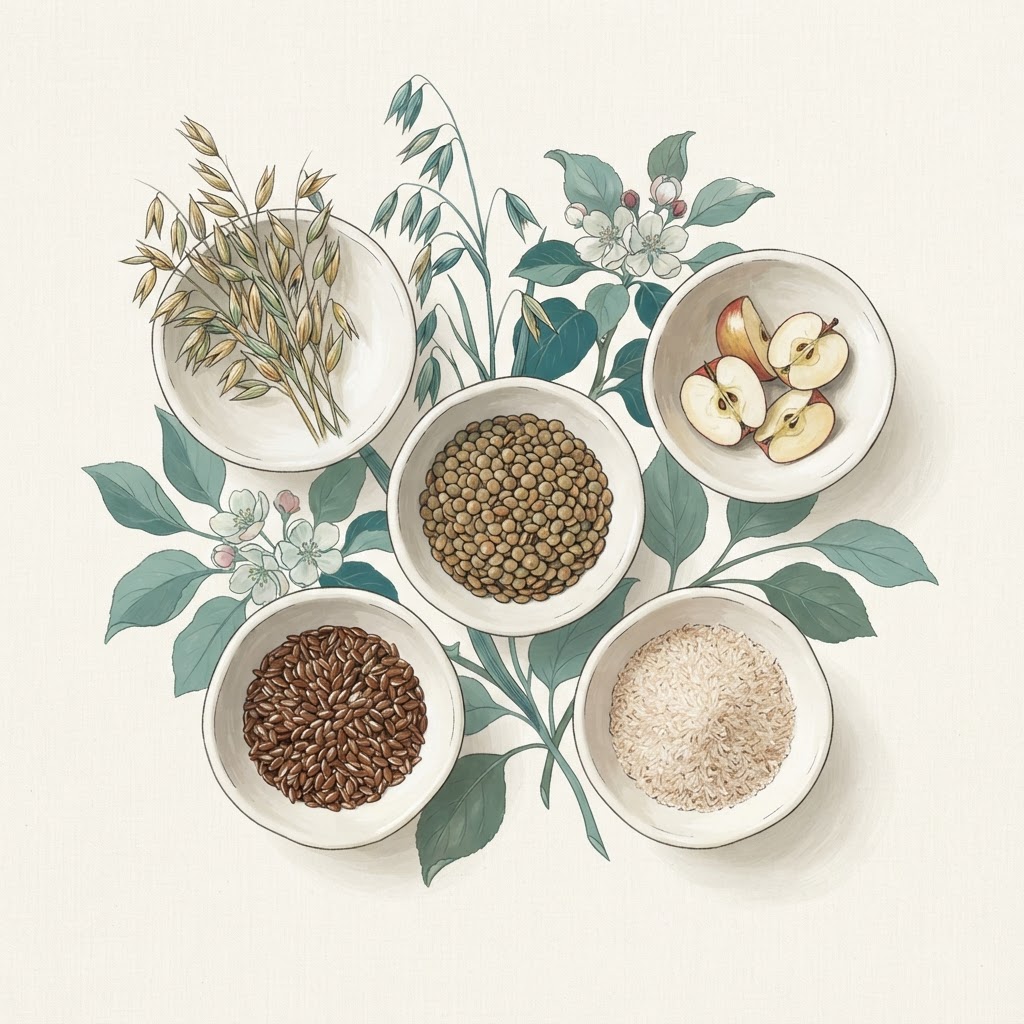
Why do we need fibre?
What is dietary fibre? Dietary fibre used to be referred to as 'bulk' or ‘roughage’, but we now know that it is so much more than that. Broadly speaking, fibre refers to a group of substances in plant foods (such as fruit, vegetables and grains) that can't be broken down completely by the digestive enzymes in our bodies. These substances include waxes, ligni…
Read article
About food form supplements?
What's in your supplements? More and more people in the UK and around the world are turning to alternative medicine and natural remedies to support their health and well-being, or to help them achieve their health goals. However, as with anything, when it comes to health supplements you get what you pay for. If you walk into a supermarket, health shop or pha…
Read article
Could I have a food intolerance?
A food intolerance (otherwise known as non-allergic food hypersensitivity), is a condition of the digestive system. It involves some form of negative reaction, which is caused by the body’s inability to properly digest a particular food, food additive or other compound found in food (or drink). Food intolerances are far more common than true food allergies.…
Read article
Gluten-free diet
Many of the foods we eat can irritate and damage the very delicate and critically important digestive system in our bodies, which can in turn lead to anything from inflammation in the gastrointestinal tract to an immune response. Even nutrient absorption can be affected. One such food is wheat, which contains gluten. What is gluten? Gluten is a protein found…
Read article
Helicobacter pylori and stomach ulcers
What is Helicobacter pylori? During the process of digestion, the stomach uses a combination of enzymes and hydrochloric acid to break down food and its other contents. The stomach is protected from this strong gastric acid by a mucous lining. Helicobacter pylori (H. pylori) is a bacterium, of which there are around 29 different strains. It lives in the mucu…
Read article
Inflammatory bowel disease - Have you got an angry gut?
If your tummy often feels sore, you regularly suffer with diarrhoea, have experienced weight loss and/or feel extreme tiredness, you could have an angry gut. Whether it is just your intestines that are inflamed or your whole digestive tract is affected, the first step (once the inflammation has been confirmed) is to reduce your intake of any aggravating food…
Read article
Do I have IBS?
Irritable Bowel Syndrome is one of those conditions that most people have heard of, if not experienced themselves. It is very common, with up to 1 in 5 people in the UK developing IBS at some stage in their life. It can affect anyone at any age, but most commonly first develops in teenagers and young adults, and women are affected more often than men. While…
Read article
Benefits of juicing
Juicing fresh fruit and vegetables is a great way to ensure that you are getting your five-a-day (hopefully more), along with a healthy intake of dietary fibre and a broad spectrum of nutrients. Why? Well for one thing, it's quick and easy. Rather than having to prepare the ingredients and incorporate them into meals, you can just pop them into a juicer and…
Read article
Krill oil benefits
Despite what everyone has been telling you for years, fat can be good for you! It's all about choosing the right type of fats - those that can support health and heal, over those that can be detrimental to health. The fact is, making sure that you include the right kinds of fat in your diet (such as essential fats that can't be manufactured in the body) is a…
Read article
Leaky Gut Syndrome
What is leaky gut syndrome? If you suffer with chronically bad digestion (whether as a result of poor diet, a food intolerance or allergy, bowel disorder or other cause), the lining of your intestines can become irritated over time. The lining of a healthy small intestine allows just the nutrients we have digested from food to be absorbed. However, where the…
Read article
Arthritis and diet - eating smart to support your lifestyle
It is a scary fact that, by the age of 60, 9 in every 10 people suffer with some form of arthritis - a common condition that causes pain and inflammation in joints. According to NHS Choices, around 10 million people have arthritis in the UK alone. However, this condition needn't be an inevitable part of growing older. In fact, according to the renowned speci…
Read article
The Living Food Diet
Humans have evolved over a period of approximately 4 million years. For the vast majority of that time, our ancestors ate a combination of raw and living foods. It is only relatively recently (in the last 250,000 years, in fact) that humans began to cook their food. What are living foods? Living foods are whole foods from nature (such as fruit, vegetables, s…
Read article
The lymphatic system and immune system health
While we often talk about the immune system, it can be hard to visualise exactly what it is and how it works in practice. The immune system is one of the most incredible and complex systems in the body, able to spring into action in defence against harmful 'invaders' (like bacteria and viruses) within minutes by releasing antibodies. As one of our most impor…
Read article
Menopause and diet
Hormones are some of the most powerful chemicals in the body, travelling through the bloodstream, giving instructions to cells and triggering a wide range of biological processes. For women, certain hormones in particular (sex hormones, such as oestrogen and progesterone) control a sequence of changes that do everything from maintaining fertility and the men…
Read article
Does a fast metabolism help you lose weight?
When it comes to weight loss, one word that repeatedly comes up is “metabolism”. But what is it and how exactly can it affect your weight management goals? What is metabolism? The word metabolism has Greek origins and means “change” or “transformation”. It is basically the rate at which your body burns energy (in the form of calories) to perform its various…
Read article
Montmorency cherry nutrition
About Montmorency cherries Montmorency cherries are a variety of tart cherry called "Prunus Cerasus". They are part of the light red amarelle cultivar of sour cherries, in contrast to the dark red Morello cultivar. They grow mainly in the United States (over 70%), but can also be found in Canada and France. Traditionally used in cooking, Montmorency cherries…
Read article
Am I obese?
If you think there's a possibility that you're obese, by asking this question you are taking the first step towards making some positive changes to improve your health and reduce your weight to a safer level. What's more, with the obesity 'epidemic' in the West, there's no need for you to feel alone. In fact, each day in Britain alone, 1,000 people become ob…
Read article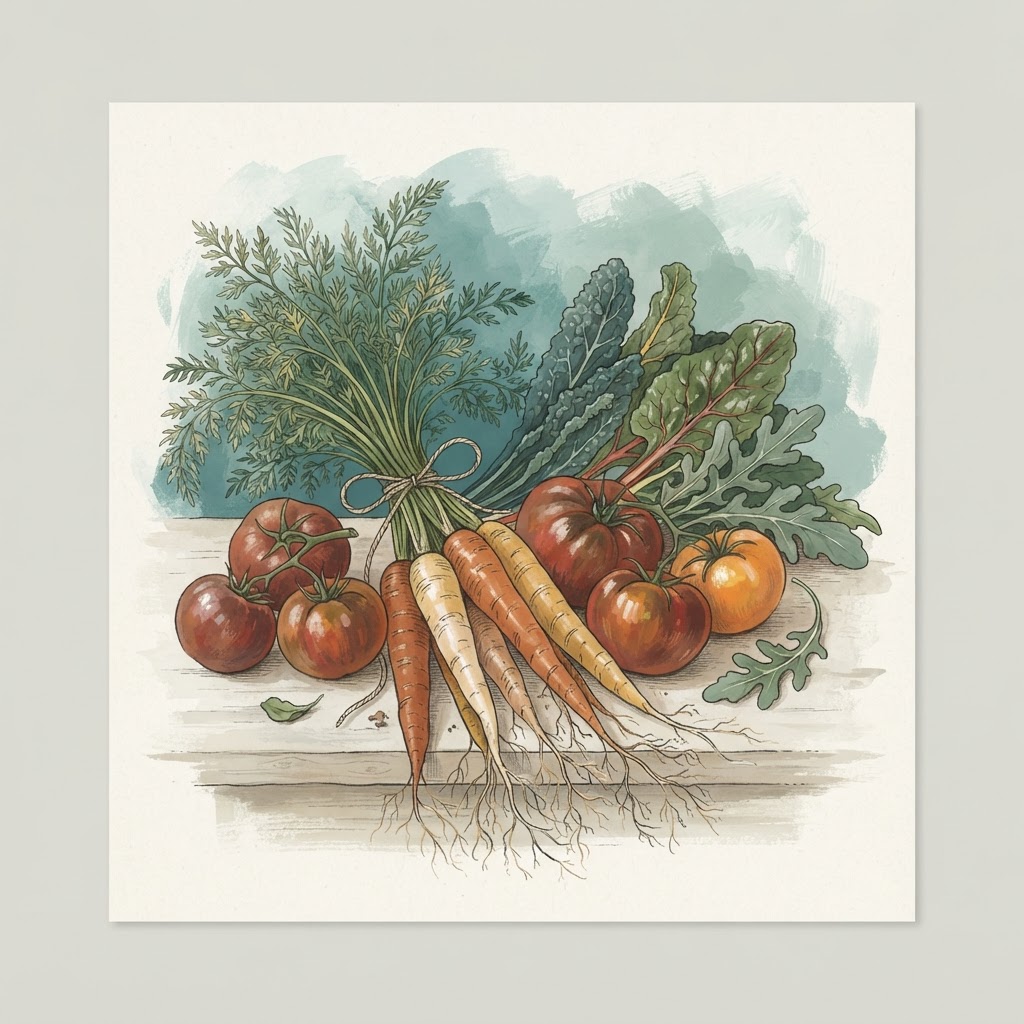
Is organic food healthier?
Most people would agree that, if your food - the primary source of nutrients used to fuel your body - is loaded with toxic chemicals and pollutants, it is probably going to have a detrimental effect on your health over the long-term. This is one of the main reasons why organically produced food and other products have seen such a rise in popularity in recent…
Read article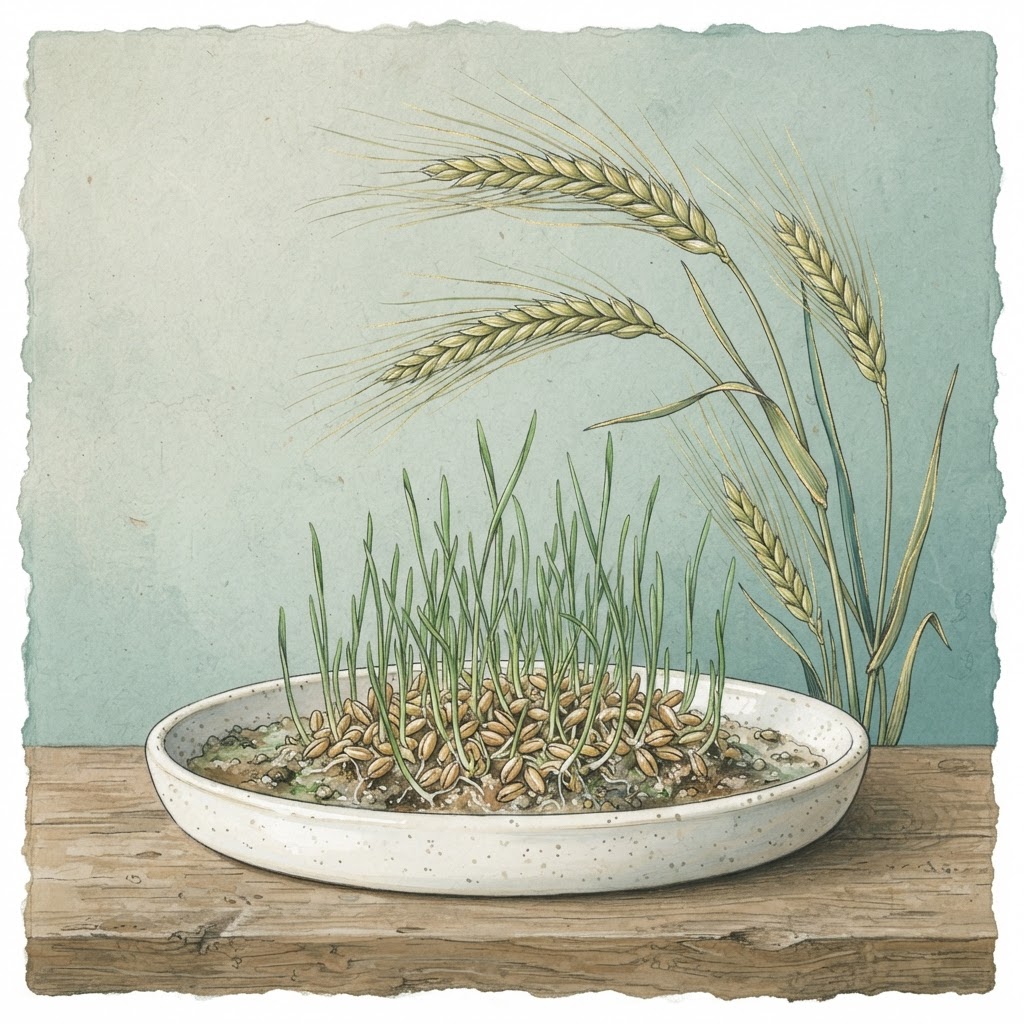
Is pre-sprouted barley the perfect food?
What is pre-sprouted barley? Most people have heard of barley - a member of the grass family and a major cereal grain. It has long been known to be highly nutritious, being a good source of vitamins, minerals and other important nutrients such as molybdenum, manganese, dietary fibre, selenium, copper, vitamin B1, chromium, phosphorus, magnesium and niacin. B…
Read article
How do probiotics help?
Most people view bacteria, or "germs", as harmful and capable of causing disease and ill-health - either directly through infection or by producing toxic substances that contribute to inflammation and other health conditions. However, there are certain types of bacteria that are actually good for us and which help to keep us healthy. These occur naturally in…
Read article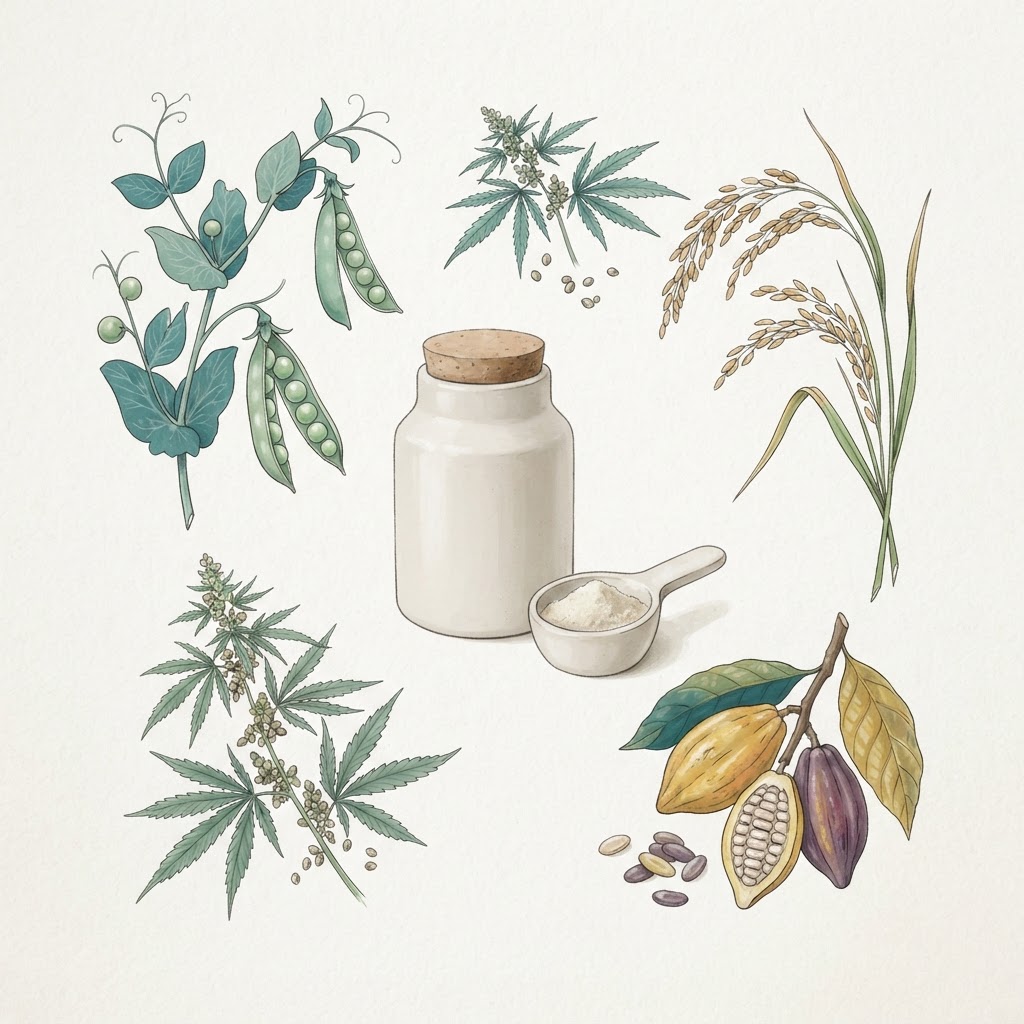
Protein powders and meal replacements
Who uses protein powders and meal replacements? Protein powders, meal replacements and nutrients-fortified shakes are now some of the most popular types of health supplements. Usually taken on a daily basis, one of the main reasons for their popularity is the ease with which they can be made and taken - just mix and go, ideal for the modern fast-paced lifest…
Read article
L-Glutamine for health
As you pass through your day, undertaking your normal daily activities, you probably won't be thinking about all the essential nutrients in your body, working in synergy to make those activities possible. Amongst them, amino acids - the building blocks of protein. Amino acids A massive 40% of the human body is made up of protein (in the absence of water) and…
Read article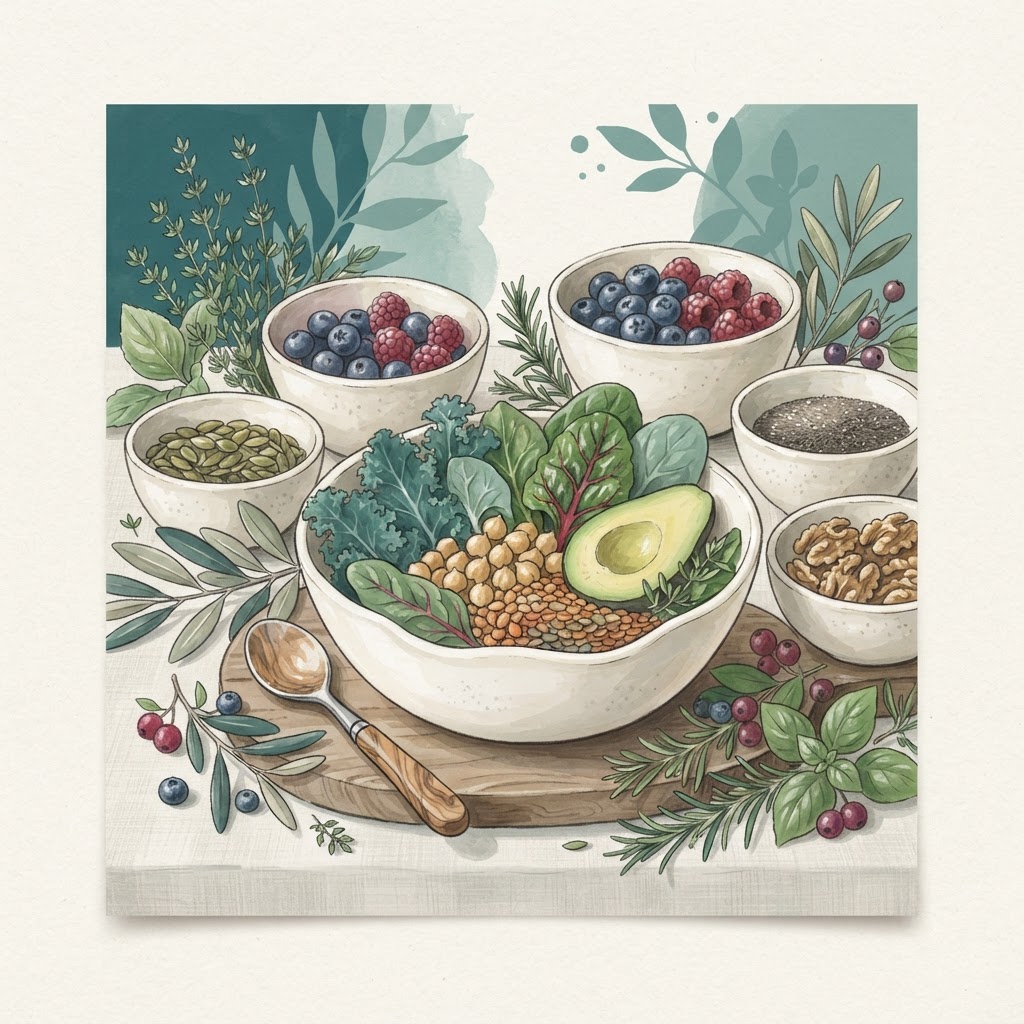
Healthy vegan diet
The balanced diet challenge If you are a vegan, you will no doubt know how hard it can be to ensure that you are getting all of the vitamins, minerals and other essential nutrients that you need on a daily basis, as a result of the dietary restrictions involved in your chosen lifestyle. Plant-based diets, while certainly capable of being fully balanced and (…
Read article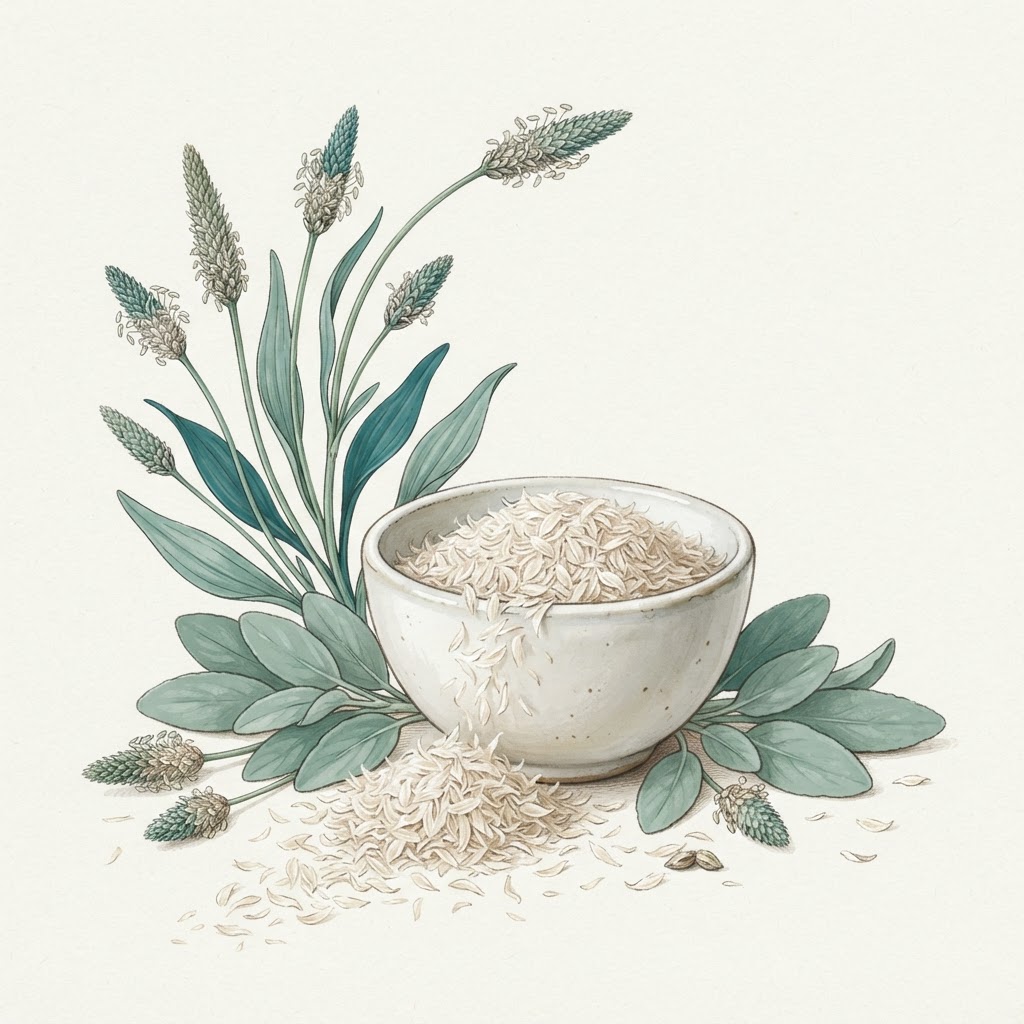
Psyllium husks for health
Tummy trouble? Psyllium has been on the radar of those in the know in the natural health world for quite some time now, but more recently the seeds and husks of this plant have seen a steady increase in popularity with those suffering with digestive complaints. Now often found in the convenient form of health supplements (such as capsules, drinks and food-ba…
Read article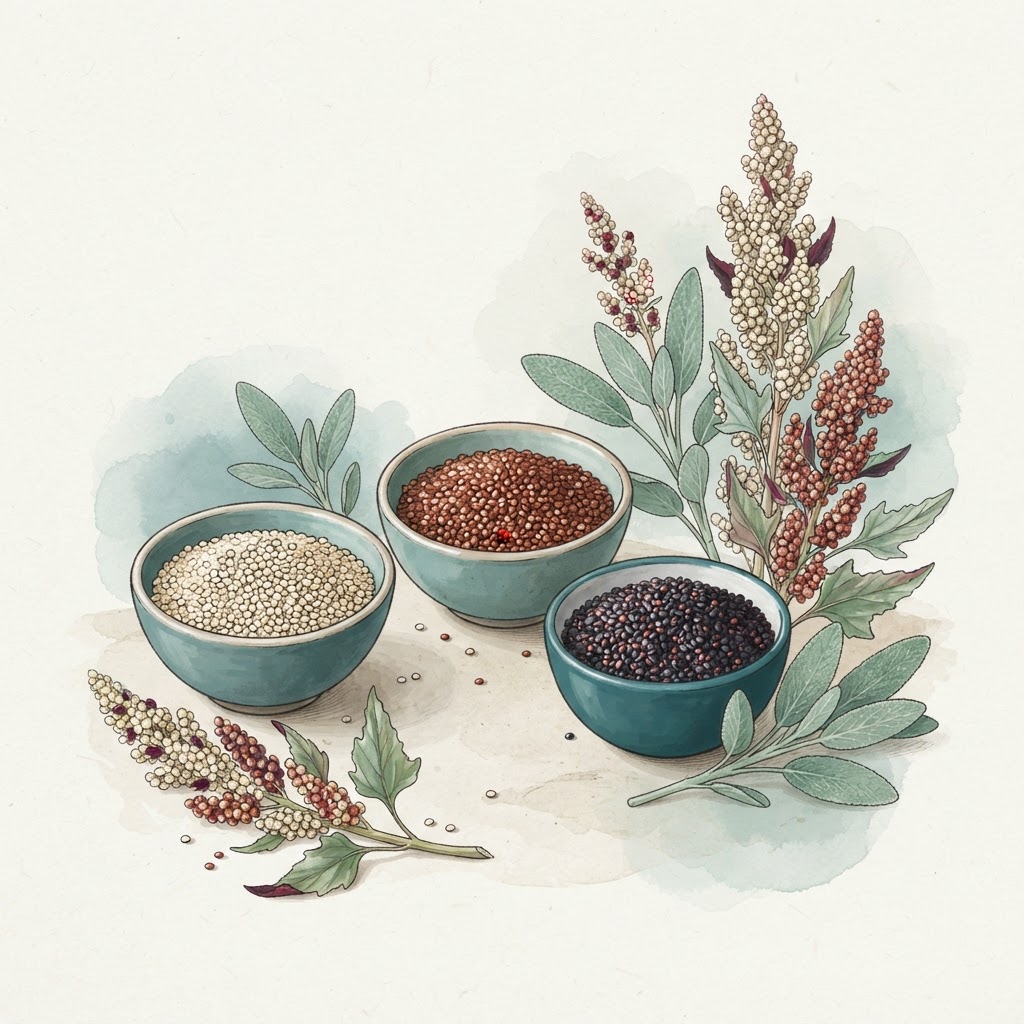
Quinoa health benefits
What is quinoa? Quinoa (pronounced keen-wah) is making the rounds in the media as one of the “hottest” new superfoods. While it's actually been around for quite some time (like many so-called superfoods now trending), and has enjoyed popularity with vegetarians, vegans and the health-conscious, it is now beginning to gain wider recognition as a powerhouse so…
Read article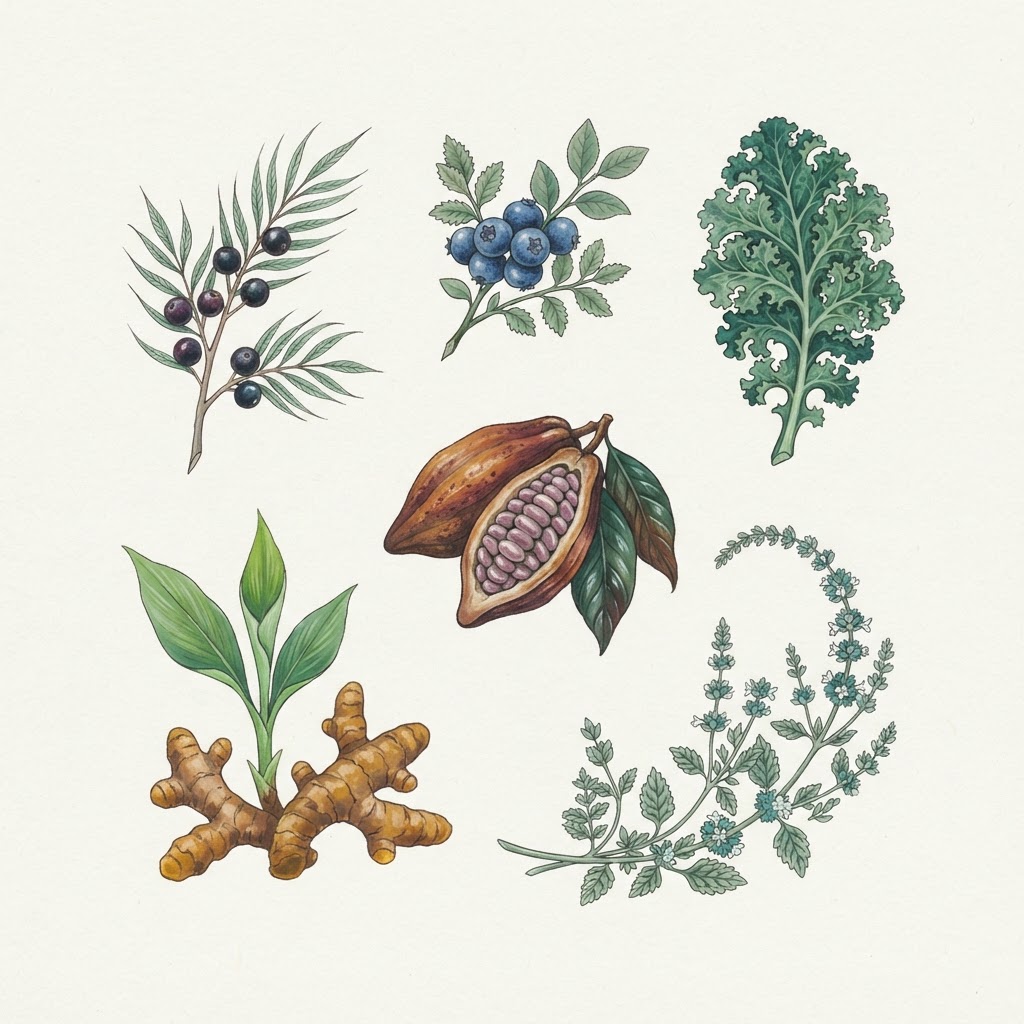
What are superfoods
In the modern world, the nutritional content of the average diet has unfortunately dwindled over time, and most noticeably over the past 100 years. This is due to a combination of factors, a couple of which are considered in more detail below. Farming methods and soil quality Farmers today can grow two to three times more grain, fruit and vegetables on a plo…
Read article
Ulcerative colitis
What is ulcerative colitis? Ulcerative colitis is an inflammatory bowel disease (IBD) which, according to NHS Choices, affects around 1 in every 420 people in the UK; this amounts to approximately 150,000 people. It is a chronic condition, which means that it is ongoing and life-long. However, there may be periods of good health (remission), as well as perio…
Read article
Healthy vegetarian diet
Vegetarianism is the practice of eating a diet consisting mainly or entirely of food that comes from plant sources, such as grains, nuts, fruit and vegetables. A vegetarian is therefore usually, and broadly, described as someone who does not eat meat or any slaughterhouse by-product (such as gelatine). This dietary choice may stem from any one, or a combinat…
Read article
Different types of vitamin C
Vitamin C is probably one of the best-known and most widely used health supplements around. If there's a twinge in the throat, or a general sense of feeling run-down, it tends to be the first port of call for many people. This might be in the hopes of, for example, fending off the “lurgy” during the cold and flu season or boosting the immune system. Often, i…
Read article
Using diet and exercise to manage your weight
What is weight management? For many people, weight management, slimming, dieting, shaping up (whatever you want to call it) is a lifelong challenge and brings with it much confusion and, often, anxiety, a sense of hopelessness and loss of confidence – particularly as time passes and brings with it only repeated failed efforts. However, being in control of yo…
Read article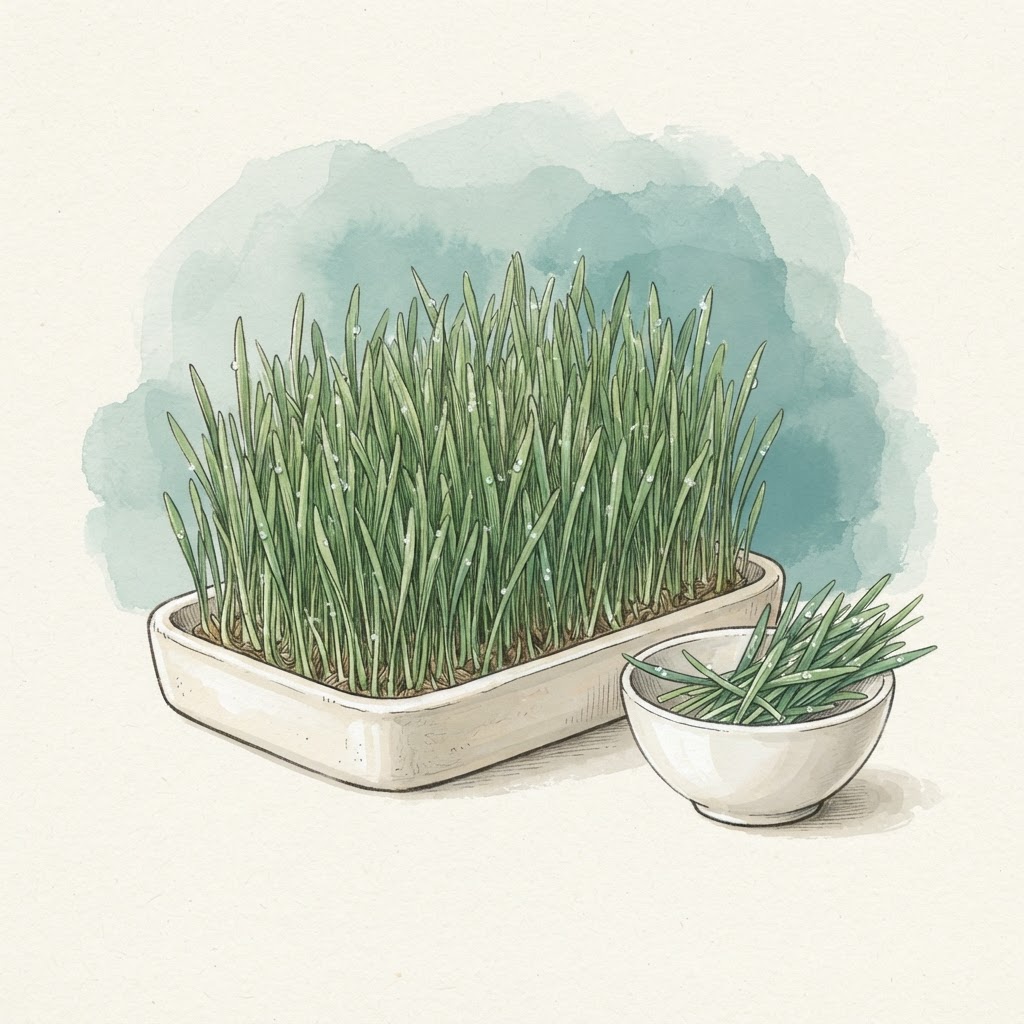
Wheatgrass for health
What is wheatgrass? As its name suggests, wheatgrass is a variety of grass, much like barley, oats and rye grass. It sprouts from wheat berries and is then harvested and either squeezed and juiced while fresh, or dehydrated and ground into supplemental powders or used in capsules. In its whole plant form, wheatgrass is a raw, living food - “raw” because it i…
Read articleAnMar Weekly Wellness
Get one useful wellness article from AnMar every week, with practical information on nutrition, supplements and everyday wellbeing.
By subscribing, you agree to receive the AnMar Weekly Wellness email. You can unsubscribe at any time. Privacy Policy.
If you are not signed in, we’ll guide you through a short account verification step before weekly emails begin.